Why Box Type Heat Exchangers Are Transforming Industrial Heat Transfer Systems
Atlas Engineering Team
May 22, 2026
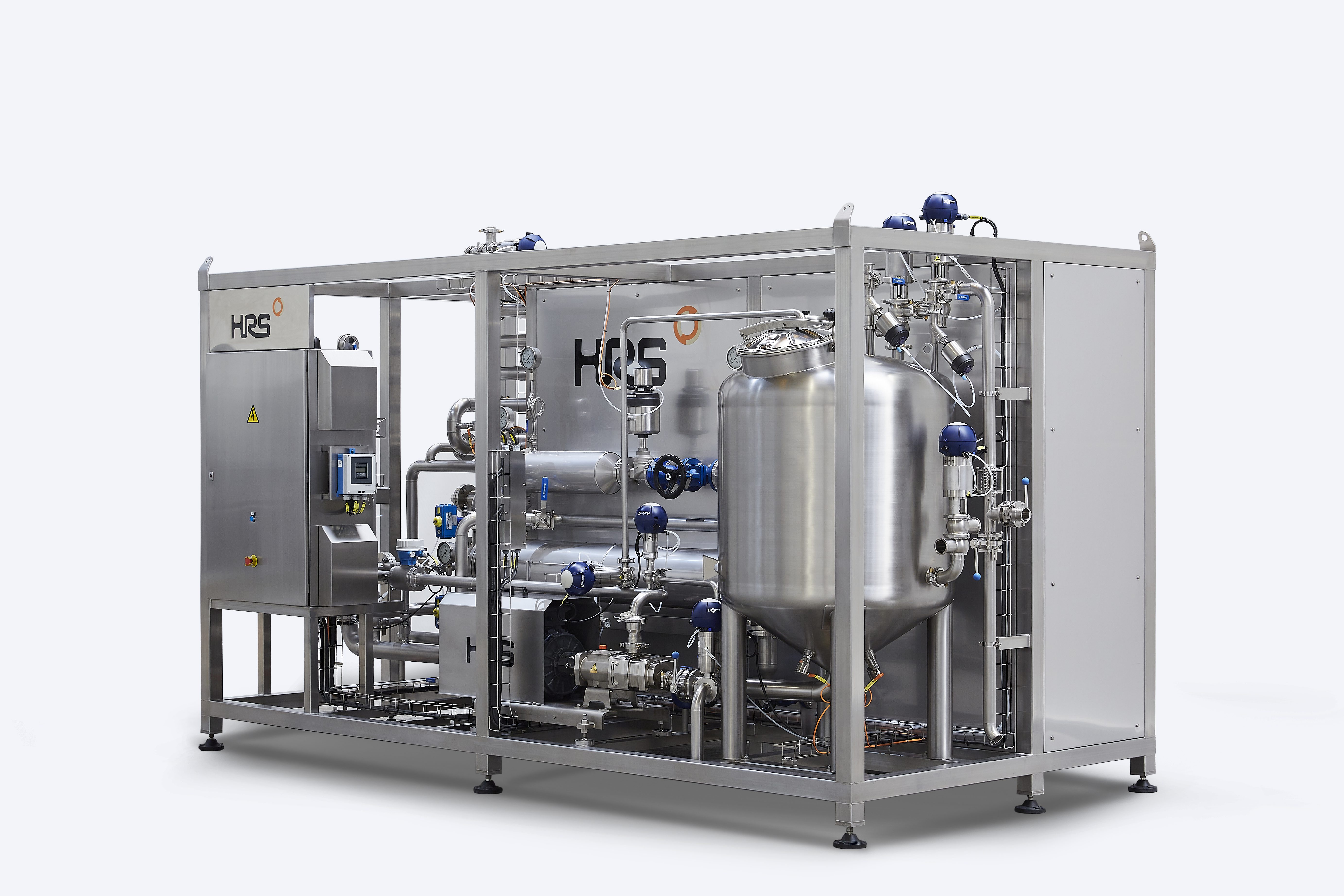
Heat exchangers play a critical role in modern manufacturing and processing industries. From chemical processing plants to pharmaceutical production facilities, efficient thermal management directly impacts productivity, energy consumption, and operational costs.
Among the latest innovations in thermal equipment, the Box Type Heat Exchanger has emerged as a superior alternative to traditional shell-and-tube designs. Its advanced configuration enables enhanced heat transfer efficiency, better cooling performance, and easier maintenance.
One of the key advantages of a Box Type Heat Exchanger is its ability to support multiple partitions, resulting in improved cooling efficiency and optimized thermal exchange. The compact design also requires significantly less installation space while delivering high-performance output.
Maintenance is another area where Box Type Heat Exchangers excel. Their shorter tube lengths simplify cleaning and descaling procedures, reducing downtime and operational expenses. Additionally, industries benefit from integrated primary and secondary heat exchange functions within a single unit.
As industries continue to seek energy-efficient and cost-effective solutions, Box Type Heat Exchangers are becoming an increasingly preferred choice for chemical, pharmaceutical, fertilizer, and petrochemical applications.
Related Articles
View All Insights Process Engineering
Why Quality Engineering Matters in Industrial Equipment Manufacturing
Quality engineering ensures industrial equipment delivers safety, reliability, and long-term operational performance.
 Heat Exchanger
The Role of Heat Exchangers in Pharmaceutical and Chemical Industries
Heat exchangers are essential for process control, energy efficiency, and product quality in chemical and pharmaceutical manufacturing.
 Process Engineering
How Industrial Equipment Customization Improves Productivity and ROI
Explore how customized industrial equipment helps businesses maximize efficiency, improve product quality, and reduce operational costs.